May 4, 2026
Selling a home is a complex process, and understanding the role of appraisals can make the difference between a smooth transaction and unexpected complications. Before listing, homeowners need to have a clear picture of what appraisal results might indicate. A home appraisal not only influences pricing strategies but also impacts buyer confidence and financing. By grasping the nuances of appraisal outcomes, sellers can make informed decisions, manage expectations, and avoid surprises during negotiations. Ultimately, the transparency and understanding regarding appraisals can lead to a more rewarding and less stressful selling experience for homeowners. This realization can empower homeowners to engage proactively in the appraisal process and enhance their preparedness.
Understand How Appraisals Affect Listing Price
A home appraisal is an objective assessment of a property’s value, conducted by licensed professionals often employed by house appraisal companies. This valuation determines the price lenders are willing to finance, making it a crucial step in the selling process. Understanding appraisal results helps sellers set a competitive and realistic listing price. Overpricing based on assumptions rather than appraisal data can result in prolonged time on the market, while underpricing may lead to lost equity. Working closely with house appraisal companies ensures sellers receive accurate insights into local market conditions, comparable properties, and adjustments based on unique features. By aligning the listing price with objective appraisal results, sellers can attract serious buyers and facilitate smoother negotiations. Accurate pricing strategies informed by appraisals also demonstrate professional diligence and can boost seller credibility.
Review How Appraisers Evaluate Your Property
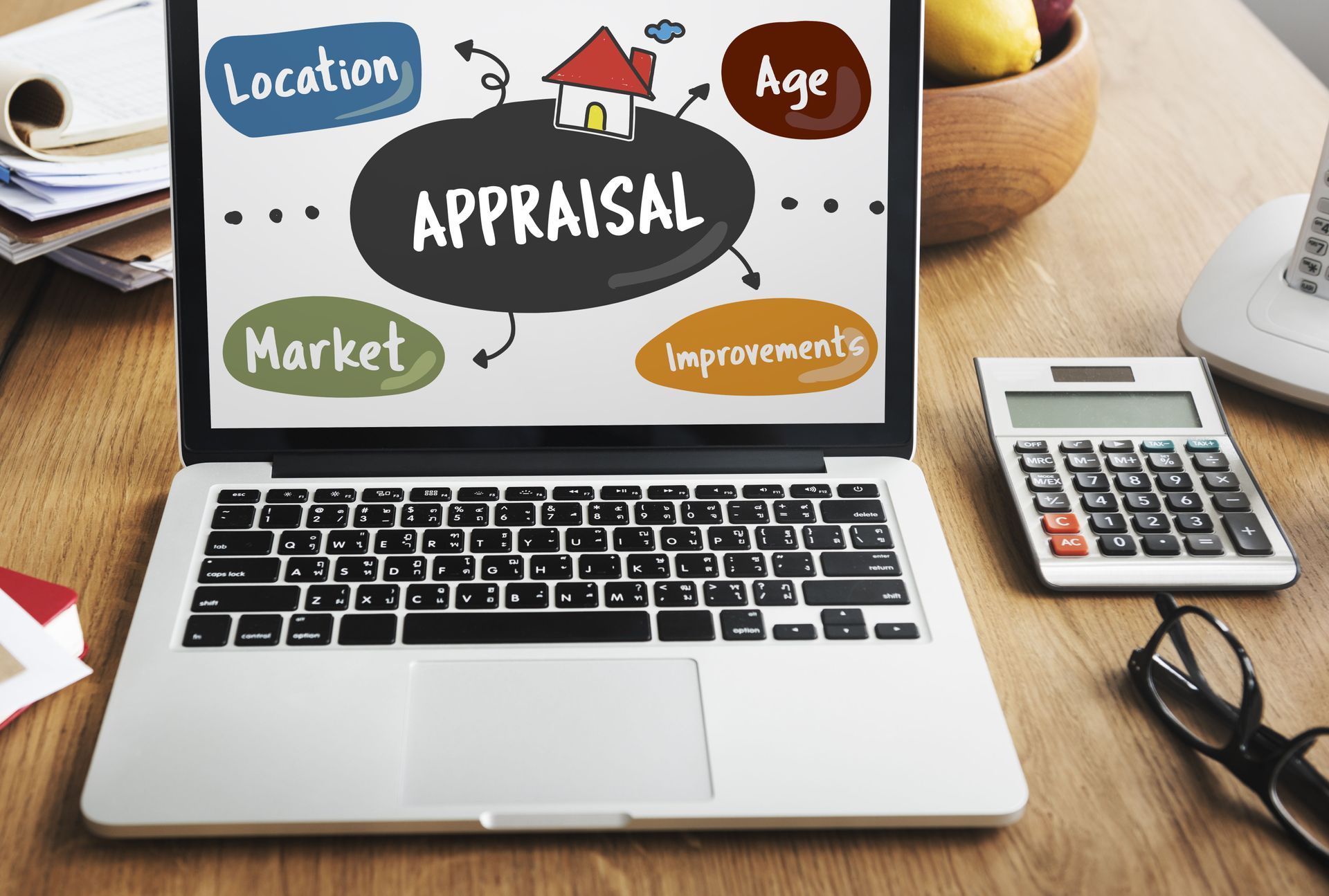
Appraisers examine multiple factors when determining a home’s value, including location, size, condition, and amenities. Interior features such as updated kitchens, bathrooms, and flooring can increase appraised value, while deferred maintenance or outdated systems may lower it. Appraisers also assess comparable properties recently sold in the area, weighing similarities and differences. Sellers who anticipate potential appraisal adjustments can take preemptive steps, such as making repairs or enhancing curb appeal, to maximize their home’s market value. House appraisal companies often provide guidance on which improvements deliver the most value relative to their cost. Addressing appraisal-influencing factors proactively can contribute significantly to a favorable selling outcome. Pre-listing consultations can offer insights into timely enhancements that align with current market expectations.
Consider How Market Trends Influence Appraisals
Local real estate trends heavily influence appraisal outcomes. In a rising market, appraisers may be more likely to reflect recent sales that show higher demand, while in a slower market, valuations may be conservative. Economic factors, buyer interest, and even seasonality can also affect appraisal results. Sellers should collaborate with house appraisal companies that are deeply familiar with regional trends to understand the likely appraisal range. According to HomeLight, only about ten percent of home appraisals come in below the asking price, highlighting that most properties meet or exceed seller expectations when priced appropriately. Having detailed market trend knowledge empowers sellers to price judiciously and present a stronger case to potential buyers. Understanding these dynamics enables sellers to adjust their strategies in response to evolving market conditions.
Prepare How to Address Low Appraisal Results
Receiving a low appraisal can be stressful, but it does not have to derail a sale. Sellers can respond by providing additional information about improvements, recent upgrades, or unique property features that may not be fully captured in the initial report. Negotiating with buyers on adjustments or offering to cover certain closing costs are common strategies when appraisal results differ from the listing price. Engaging house appraisal companies to explain discrepancies or request reconsideration can be an effective approach. Understanding the reasoning behind a lower-than-expected appraisal allows sellers to manage the situation calmly and strategically, rather than reacting impulsively. Maintaining open communication and a flexible approach during such circumstances can help preserve the sales process. Additionally, collaborating with experienced advisors can transform challenges into opportunities for consensus.
Evaluate How Appraisals Impact Negotiations
Appraisal results play a significant role in buyer-seller negotiations. When an appraisal aligns with or exceeds the listing price, sellers have confidence in their asking price, and buyers are reassured about their investment. If an appraisal comes in below expectations, it may trigger renegotiation, contingent offers, or additional documentation from lenders. By anticipating these scenarios, sellers can create a negotiation plan and set boundaries before entering discussions. Partnering with house appraisal companies provides insight into common appraisal trends, enabling sellers to prepare for possible adjustments and maintain leverage during negotiations. Comprehensive preparation on the appraisal's impact can smooth negotiation paths and secure favorable terms. Proactively planning for various negotiation outcomes can enhance seller readiness and adaptability.
Implement How to Leverage Appraisal Knowledge for Marketing
Knowledge of appraisal trends can also inform marketing strategies. Sellers can highlight features that appraisers consider valuable, such as energy-efficient upgrades, modern layouts, or well-maintained systems, in listing descriptions and showings. Emphasizing aspects that positively influence appraisals helps create buyer confidence and supports pricing justification. Collaborating with house appraisal companies before listing allows sellers to gather insights that can be used in marketing materials, ensuring potential buyers perceive the property’s full value. By strategically integrating appraisal information into marketing, sellers can strengthen their position and attract qualified buyers more effectively. Innovative marketing that aligns with appraisal insights could greatly enhance the property's appeal and facilitate a swifter sale. Tailored marketing approaches that resonate with appraisals can also engage discerning buyers who prioritize value.
Plan How to Work With Professionals Throughout the Sale
Engaging with real estate professionals ensures a smoother process from listing to closing. Early consultation with appraisers can provide a pre-listing valuation, identifying potential challenges and opportunities for improvements. Real estate agents can leverage appraisal knowledge to guide pricing strategy and market positioning, while inspectors provide validation of property condition. Coordinated efforts among these professionals allow sellers to confidently set expectations, mitigate risks, and streamline the transaction. Understanding how each party contributes to the process reinforces the importance of appraisal results in achieving a successful sale. Comprehensive collaboration with these experts fosters strategic decision-making and potentially higher returns. Establishing a strong network of professional advisors ensures superior management of the selling process.
Selling a home is not simply about listing it at an attractive price; it requires a comprehensive understanding of how appraisals influence every step of the transaction. From setting a realistic listing price to negotiating with buyers and marketing effectively, appraisal results provide actionable insights that shape the outcome. By proactively engaging with house appraisal companies and utilizing their expertise, sellers can avoid surprises and maximize the value of their property. Empowering sellers with informed choices throughout the journey ensures a rewarding home-selling experience. Each strategic decision made with expert insights contributes to a seamless and successful transaction flow. Additionally, understanding market trends and recent appraisal findings allows sellers to make informed adjustments to their selling strategy, ensuring optimal presentation and pricing.
Take the next step in preparing your home for a smooth and profitable sale with the guidance of Anthony Appraisers. Your path to a successful home sale begins with expert appraisal insights, paving the way for confident selling strategies. Relying on professional appraisal services can significantly enhance the prospects of achieving targeted sales outcomes. Furthermore, expert appraisers provide detailed reports and analysis, which can be crucial in aligning your property’s listing with current market expectations.